

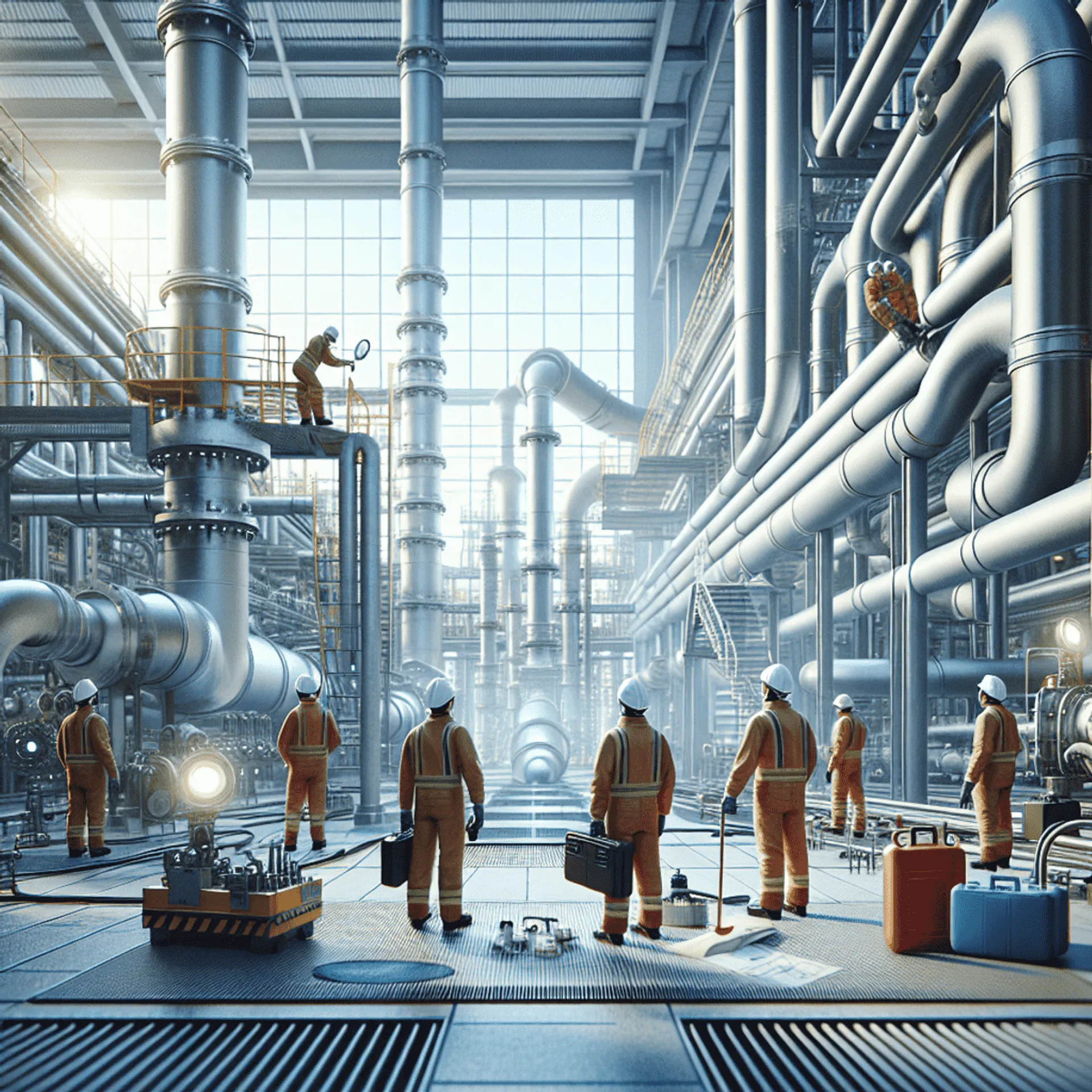
Leak Detection and Repair (LDAR) is a programme of procedures and practices by which an industrial facility systematically detects, monitors, quantifies, and repairs leaks from its equipment and processes, in order to protect environmental compliance, workplace safety, and operational integrity. A comprehensive LDAR program is indispensable for any industrial operation involved in the handling of liquids or gases, yet its significance is often underestimated and its implementation overlooked. This article explains why LDAR matters, the key elements of a programme, and the consequences of neglecting it.
Why is LDAR important?
LDAR helps industrial facilities adhere to stringent environmental regulations governing emissions monitoring and control. By systematically identifying and mitigating leaks, LDAR significantly reduces emissions of volatile organic compounds (VOCs) and hazardous air pollutants, thus contributing to environmental preservation and public health protection. Furthermore, LDAR serves as a crucial measure for enhancing workplace safety by minimizing the risk of accidents, such as explosions and fires, which can result from leaking gases. Beyond regulatory compliance and safety considerations, LDAR also offers substantial financial benefits to businesses by preemptively addressing leaks, thereby minimizing maintenance costs, preventing production losses, and ensuring operational efficiency.
Key elements of an LDAR program
- Leak detection methods LDAR programs has a variety of sophisticated techniques and technologies to detect leaks effectively. Optical gas imaging cameras provide real-time visualization of gas leaks, enabling prompt identification and response. Portable vapor analyzers offer precise measurements of gas concentrations, facilitating accurate quantification of emissions. Traditional methods such as soap bubble tests and sensory inspections remain valuable tools for detecting leaks, particularly in hard-to-reach or visually obscured areas.
- Monitoring and recordkeeping Continuous monitoring of leak rates is a fundamental aspect of LDAR programs, enabling early detection of anomalies and proactive intervention. Robust recordkeeping practices are essential for documenting regulatory compliance, maintaining accountability, and facilitating data-driven decision-making. Detailed records of leak detection activities, repairs, and maintenance interventions ensure transparency and traceability, enabling facilities to demonstrate their commitment to environmental stewardship and operational excellence.
Consequences of inadequate LDAR
- Regulatory enforcement Facilities that neglect LDAR risk facing severe consequences, including regulatory fines, consent decrees, and potential shutdowns. Regulatory agencies impose strict penalties on non-compliant facilities to deter environmental violations and protect public health and welfare. Moreover, non-compliance can trigger increased regulatory scrutiny and inspections, leading to reputational damage and operational disruptions for the facility.
- Financial impacts The financial implications of inadequate LDAR can be significant and far-reaching. Leaks result in the loss of valuable product, leading to increased operating costs and reduced profitability. Delayed detection and repair of leaks can exacerbate equipment degradation, resulting in costly repairs and downtime. Additionally, production losses stemming from equipment failures or regulatory non-compliance can have profound implications for the facility’s revenue stream and market competitiveness.
Conclusion
Implementing a robust LDAR program demands proactive commitment and investment from industrial facilities, but the benefits far outweigh the costs. By prioritizing LDAR, facilities can achieve regulatory compliance, mitigate environmental risks, optimize operational efficiency, and safeguard the health and safety of their employees and surrounding communities. Ignoring LDAR not only undermines environmental responsibility and workplace safety but also exposes businesses to regulatory sanctions, financial losses, and reputational damage. In conclusion, LDAR is not merely a regulatory obligation but a strategic imperative for industrial facilities seeking to maintain operational excellence, environmental sustainability, and financial viability in an increasingly complex and competitive landscape. By embracing LDAR as a core component of their business practices, facilities can demonstrate their commitment to responsible stewardship of resources and commitment to the well-being of present and future generations. LDAR programs serve as a cornerstone of proactive environmental management, enabling businesses to mitigate risks, optimize performance, and build resilience in the face of evolving regulatory requirements and stakeholder expectations. As industries continue to evolve and expand, the importance of LDAR in ensuring sustainable operations and minimizing environmental impact cannot be overstated. It is imperative for businesses to invest in robust LDAR programs that align with their strategic objectives and demonstrate their commitment to environmental stewardship and corporate responsibility. By embracing LDAR as a proactive approach to emissions management and regulatory compliance, businesses can position themselves for long-term success and contribute to a cleaner, safer, and more sustainable future for all.
Frequently asked questions
What is Leak Detection and Repair (LDAR)?
LDAR is a set of procedures and practices that industrial facilities follow to detect, monitor, quantify, and rectify leaks from equipment and processes. It is indispensable for any operation handling liquids or gases, and it protects both the integrity of operations and environmental compliance.
Why is an LDAR program important?
LDAR helps facilities meet stringent environmental regulations on emissions monitoring and control, cuts emissions of volatile organic compounds and hazardous air pollutants, and improves workplace safety by reducing the risk of explosions and fires from leaking gases. It also lowers maintenance costs and prevents production losses.
What methods are used to detect leaks?
Optical gas imaging cameras give real-time visualization of gas leaks for prompt response, and portable vapor analyzers measure gas concentrations precisely so emissions can be quantified. Traditional methods such as soap bubble tests and sensory inspections remain valuable, especially in hard-to-reach or visually obscured areas.
What happens if a facility neglects LDAR?
Non-compliant facilities risk regulatory fines, consent decrees, and potential shutdowns, along with increased scrutiny, inspections, reputational damage, and operational disruption. Financially, leaks mean lost product, higher operating costs, accelerated equipment degradation, and production losses.
What does recordkeeping involve in an LDAR program?
Continuous monitoring of leak rates allows early detection of anomalies and proactive intervention, while detailed records of leak detection activities, repairs, and maintenance interventions document regulatory compliance. Those records create transparency and traceability and support data-driven decision-making.