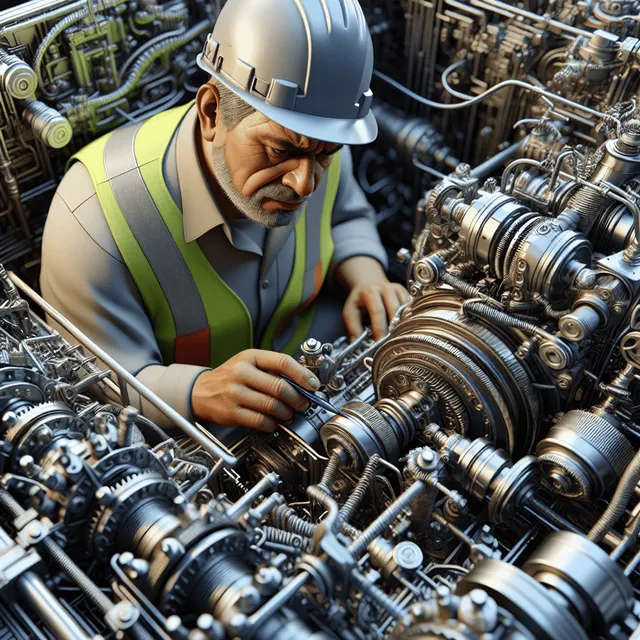


A maintenance supervisor leads a facility’s maintenance team: they organize and schedule maintenance operations, supervise and develop technicians, manage the maintenance budget and inventory, and report performance to upper management. This article sets out the role’s duties, the skills and qualifications it demands, and the salary range and job outlook that come with it.
Job Duties and Responsibilities
- Organizing Maintenance Operations Maintenance supervisors are integral to the smooth functioning of facilities, tasked with a myriad of responsibilities aimed at ensuring optimal performance and safety. Their duties encompass scheduling preventive maintenance tasks to preempt equipment breakdowns, efficiently coordinating work orders and repairs to minimize downtime, and judiciously allocating resources to maximize efficiency and cost-effectiveness. Additionally, they strategize long-term maintenance plans, considering factors such as equipment lifespan, regulatory compliance, and operational needs. By adopting a proactive approach to maintenance scheduling and resource allocation, supervisors mitigate risks and enhance the reliability of critical systems.
- Supervising Maintenance Staff At the helm of the maintenance team, supervisors play a pivotal role in cultivating a skilled workforce. They oversee the entire lifecycle of employment for technicians, from recruitment and training to performance evaluation. Assigning tasks strategically, they ensure that each team member contributes effectively to the collective goal of maintaining operational excellence. Moreover, supervisors prioritize adherence to stringent safety protocols, fostering a culture of safety consciousness among their subordinates. Through ongoing training and mentorship, they empower technicians to expand their skill sets and adapt to evolving technologies, thereby enhancing the overall competency and resilience of the maintenance team.
- Managing Maintenance Budgets and Logistics Financial prudence is a hallmark of effective maintenance management, and supervisors are entrusted with the responsibility of meticulously managing budgets and logistics. By diligently tracking costs and expenditures, they identify areas for potential savings and optimization. Their astute management of inventory ensures that necessary parts and supplies are always on hand, preventing disruptions to maintenance activities. Furthermore, supervisors collaborate closely with procurement teams and vendors to negotiate favorable contracts and secure competitive pricing for goods and services. By exercising sound fiscal judgment and leveraging economies of scale, they maximize the value derived from maintenance expenditures, ultimately contributing to the organization’s bottom line.
- Reporting to Upper Management As the liaison between the maintenance team and upper management, supervisors play a crucial role in conveying pertinent information and insights. They provide regular updates on maintenance metrics, highlighting achievements and identifying areas for improvement. Additionally, they flag any emerging issues or bottlenecks, offering strategic recommendations to enhance operational efficiency and longevity. Through comprehensive reports and presentations, supervisors provide stakeholders with actionable insights into the performance of maintenance activities, enabling informed decision-making and resource allocation. By fostering transparency and accountability in reporting practices, they engender trust and confidence among senior leadership, positioning the maintenance department as a key driver of organizational success.
Required Skills and Qualifications
- Technical Expertise A deep understanding of facility systems and equipment is indispensable for maintenance supervisors. Armed with comprehensive technical knowledge, they can effectively troubleshoot problems, devise innovative solutions, and provide guidance to their team members. From HVAC systems and electrical infrastructure to plumbing fixtures and industrial machinery, supervisors must possess a broad spectrum of technical expertise to address the diverse maintenance needs of modern facilities. Moreover, they stay abreast of industry best practices and emerging technologies, continually refining their skills to meet evolving operational challenges and regulatory requirements.
- Leadership and Communication Abilities Strong leadership skills are essential for inspiring and motivating maintenance teams to achieve their full potential. Clear and concise communication ensures that instructions are understood and executed accurately, fostering a cohesive and productive work environment. Through effective communication channels such as team meetings, performance reviews, and one-on-one interactions, supervisors foster open dialogue and collaboration, empowering team members to voice their concerns and contribute ideas for process improvement. By leading by example and embodying the organization’s values, supervisors cultivate a culture of accountability, professionalism, and continuous improvement within the maintenance department.
- Organizational and Project Management Skills In the dynamic realm of maintenance management, organizational prowess is paramount. Supervisors must adeptly juggle multiple tasks, prioritize assignments, and allocate resources judiciously to meet deadlines and objectives. By developing comprehensive maintenance schedules and resource plans, they optimize workforce utilization and minimize disruptions to ongoing operations. Furthermore, supervisors excel in project management, overseeing complex maintenance initiatives from inception to completion. Through meticulous planning, risk assessment, and stakeholder engagement, they ensure that projects are executed efficiently, within budget, and in accordance with quality standards and regulatory requirements.
- Budgeting and Analytical Capabilities An analytical mindset and proficiency in budget management are critical for maintenance supervisors. By analyzing financial data and trends, they can make informed decisions that optimize resource allocation and drive cost savings initiatives. From budget forecasting and variance analysis to cost-benefit analysis and return on investment (ROI) calculations, supervisors leverage quantitative data and metrics to inform strategic planning and decision-making. Moreover, they collaborate with finance and accounting teams to develop realistic budgets and monitor expenditure patterns, proactively identifying opportunities for cost optimization and efficiency gains. Through continuous monitoring and performance tracking, supervisors ensure that maintenance activities align with organizational goals and priorities, delivering tangible value and ROI.
Average Salary and Job Outlook
- Salary Range The compensation for maintenance supervisors varies depending on factors such as geographic location, industry, and level of experience. On average, maintenance supervisors can expect to earn a salary ranging from $83,027 to $108,363 with the average base salary of $95,289 according to Salary.com commensurate with their expertise and responsibilities. In addition to base salary, many organizations offer performance-based incentives, bonuses, and benefits packages, further enhancing the overall compensation package for maintenance supervisors.
- Projected Job Growth With the increasing emphasis on infrastructure maintenance and asset management, the demand for skilled maintenance supervisors is expected to remain robust. Job opportunities in this field are projected to grow steadily, offering ample prospects for career advancement and professional development. As industries continue to invest in the upkeep and optimization of critical infrastructure and facilities, the need for qualified maintenance supervisors will only continue to rise. Moreover, the retirement of experienced professionals and ongoing technological advancements create additional opportunities for new entrants into the field, further fueling demand for maintenance supervisors.
Frequently asked questions
What does a maintenance supervisor do?
A maintenance supervisor organizes maintenance operations, supervises the maintenance staff, manages budgets and logistics, and reports to upper management. Day to day this means scheduling preventive maintenance, coordinating work orders and repairs, allocating resources and inventory, and keeping senior leadership informed with maintenance metrics and recommendations.
What skills does a maintenance supervisor need?
Four skill areas matter most: technical expertise across facility systems such as HVAC, electrical, plumbing, and industrial machinery; leadership and clear communication to direct a team; organizational and project management ability to juggle tasks and schedules; and budgeting and analytical capability to forecast costs and justify spend with data.
How much does a maintenance supervisor earn?
Pay varies with geographic location, industry, and level of experience. According to Salary.com, maintenance supervisors typically earn between $83,027 and $108,363, with an average base salary of $95,289. Many organizations add performance-based incentives, bonuses, and benefits on top of base salary.
Is maintenance supervisor a good career?
Demand is expected to remain robust as industries invest more in infrastructure maintenance and asset management, with job opportunities projected to grow steadily. The retirement of experienced professionals and continuing technological change create further openings for new entrants to the field.
What qualifications does a maintenance supervisor need in technical knowledge?
A deep understanding of facility systems and equipment is indispensable, spanning HVAC systems, electrical infrastructure, plumbing fixtures, and industrial machinery, so that the supervisor can troubleshoot problems and guide the team. Staying current with industry best practices, emerging technologies, and regulatory requirements is part of the role.