
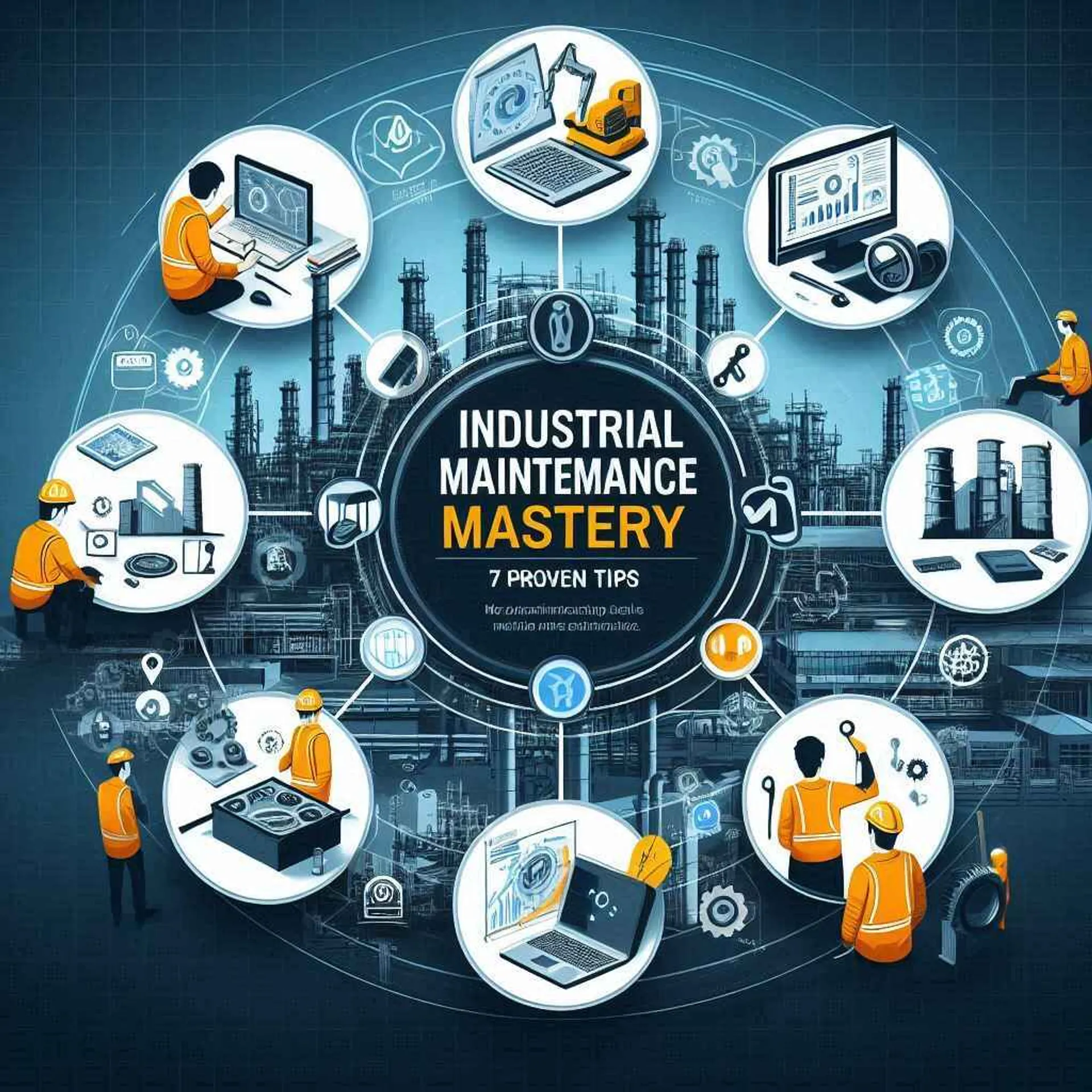
Mastering industrial maintenance comes down to seven proven practices: regular thorough inspections, continuous condition monitoring, maintenance logs for every asset, adherence to OEM guidelines, routine upkeep tasks, a clear repair-or-replace strategy, and ongoing staff training. This article walks through each of these strategies and explains how they help maximize uptime, avoid unplanned downtime, and extend equipment life. Preventive maintenance is not merely a reactionary measure but a calculated, proactive approach to ensuring the longevity and efficiency of industrial assets. It transcends the quick fixes of reactive maintenance, requiring careful planning, meticulous scheduling, and unwavering commitment. The dividends of such an approach are manifold: increased productivity, prolonged equipment lifespan, and substantial cost savings by mitigating the risks associated with unexpected breakdowns.
Conduct Thorough Inspections at Regular Intervals
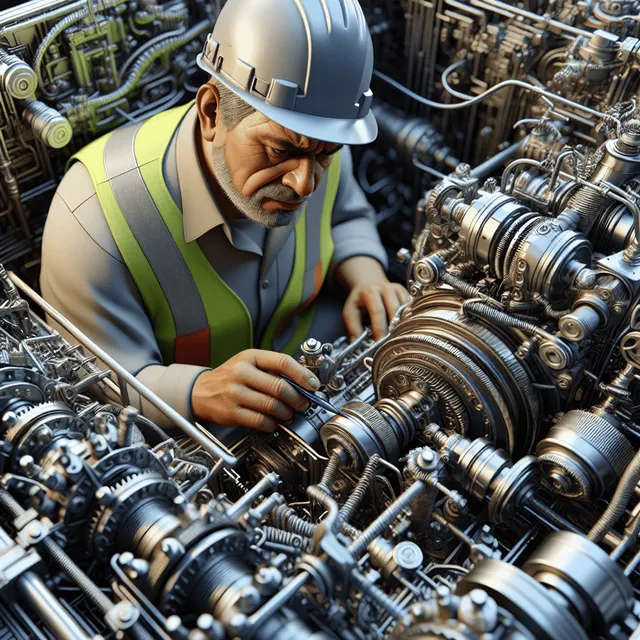
A cornerstone of any effective preventive maintenance strategy is the regular and comprehensive inspection of industrial machinery and equipment. These inspections encompass a spectrum of activities, including visual assessments for signs of damage, leaks, or excessive wear. In addition, diagnostic tests such as vibration analysis, thermography, and oil analysis play a pivotal role in identifying potential issues before they escalate into costly failures. Systematic inspections of all components ensure that no aspect of the machinery is overlooked, thereby minimizing the risk of unforeseen malfunctions.
Monitor Asset Condition Continuously
In today’s digital age, leveraging sensor technology to monitor the condition of industrial assets in real-time has become indispensable. By harnessing sensor data, maintenance teams can detect abnormalities early on, enabling prompt intervention to prevent costly breakdowns. Furthermore, tracking trends in asset performance facilitates predictive maintenance, allowing maintenance activities to be scheduled proactively based on data-driven insights. Advanced analytics software complements sensor data by flagging anomalies and providing actionable intelligence, further enhancing the efficacy of preventive maintenance efforts.
Maintain Maintenance Logs for Each Asset
Accurate record-keeping is fundamental to the success of any preventive maintenance program. Maintenance logs meticulously document inspection dates, findings, and subsequent repairs, serving as a valuable repository of historical data. By noting symptoms to watch for and recording maintenance history for each asset, maintenance technicians gain invaluable insights into the equipment’s health and performance over time. This comprehensive documentation not only facilitates informed decision-making but also ensures regulatory compliance and accountability within the organization.
Follow OEM Maintenance Guidelines
Adhering to the maintenance guidelines provided by original equipment manufacturers (OEMs) is imperative for maintaining the integrity and reliability of industrial equipment. OEMs prescribe recommended maintenance tasks and schedules based on their in-depth knowledge of the equipment’s design and operational requirements. Utilizing OEM-recommended replacement parts whenever possible ensures compatibility and optimal performance, mitigating the risk of premature failures. In complex repair scenarios, involving OEM representatives can provide invaluable expertise and guidance, ensuring that repairs are executed according to manufacturer specifications.
Institute Routine Maintenance Tasks
Routine maintenance tasks form the bedrock of a proactive maintenance regimen, encompassing activities such as lubrication, cleaning, and calibrations. Regularly lubricating moving parts, cleaning equipment surfaces, and calibrating instrumentation are essential to preserving operational efficiency and preventing premature wear and tear. Additionally, tightening loose parts and adjusting alignments mitigate the risk of mechanical failures, while testing emergency systems and backups ensures readiness to address unforeseen contingencies effectively.
Establish a Repair/Replace Strategy
Striking a balance between the cost of repairs and the potential benefits of equipment replacement is a critical aspect of preventive maintenance planning. Conducting thorough cost-benefit analyses enables informed decision-making regarding whether to repair or replace aging or malfunctioning equipment. Upgrading older assets with newer, more efficient alternatives where relevant can yield significant long-term savings and performance improvements. Aligning repair and replacement decisions with operational budgets ensures financial sustainability while maximizing the return on investment in industrial assets.
Provide Ongoing Staff Training
Investing in the continuous professional development of maintenance staff is paramount to the success of a preventive maintenance program. Equipping maintenance personnel with operational best practices, training them on new diagnostic technologies, and reinforcing safety procedures fosters a culture of excellence and continuous improvement. By staying abreast of industry advancements and honing their skills, maintenance teams are better equipped to tackle evolving challenges and optimize the performance of industrial assets effectively.
Conclusion
In conclusion, mastering industrial preventive maintenance requires meticulous planning, diligent execution, and unwavering commitment from all stakeholders. By implementing the seven proven tips outlined above, organizations can elevate their maintenance practices to new heights, reaping the rewards of optimized uptime, extended equipment lifespan, cost savings, and a safer working environment. Embracing preventive maintenance as a strategic imperative positions organizations for sustained success in an increasingly competitive industrial landscape.
Frequently asked questions
What are the key practices of a successful industrial preventive maintenance program?
A strong program rests on seven practices: regular thorough inspections, continuous condition monitoring with sensors, maintenance logs for every asset, adherence to OEM maintenance guidelines, routine tasks such as lubrication, cleaning and calibration, a clear repair-or-replace strategy, and ongoing training for maintenance staff.
Why is continuous condition monitoring important in industrial maintenance?
Sensor data lets maintenance teams detect abnormalities early and intervene before a costly breakdown. Tracking performance trends over time also enables predictive maintenance, so work can be scheduled proactively, and analytics software adds value by flagging anomalies and turning the data into actionable intelligence.
Why should maintenance teams follow OEM maintenance guidelines?
Original equipment manufacturers define recommended tasks and schedules based on in-depth knowledge of the equipment's design and operating requirements. Using OEM-recommended replacement parts keeps components compatible and performing well, and involving OEM representatives in complex repairs ensures work is done to the manufacturer's specifications.
What should be recorded in a maintenance log?
A maintenance log should document inspection dates, findings and the repairs that followed, along with symptoms to watch for and the full maintenance history of each asset. This record supports informed decisions about equipment health and also helps with regulatory compliance and accountability.
How do you decide whether to repair or replace industrial equipment?
A cost-benefit analysis should weigh the cost of repairs against the potential gains from replacement. Upgrading older assets to newer, more efficient alternatives can deliver long-term savings and better performance, while keeping repair and replacement decisions aligned with the operational budget protects financial sustainability.