

Integrating a condition monitoring system with the plant’s existing data collection and control systems (SCADA, DCS, PLC and RTU) is one of the most important factors in its success, because two-way data sharing lets measurements be taken under the right operating conditions and makes fault predictions far more accurate. This article explains why that integration matters for variable speed, non-continuous and impulse-loaded machines, and outlines the available integration options. We talked about condition monitoring and its importance in our previous blog post. The basic principle in condition monitoring is to detect failures in machinery and equipment to predict using equipment-specific condition parameters, such as temperature, vibration, pressure, current, etc. and to prevent destructive downtimes. When we talk about an industrial telemetry system, the first terms that come to mind are; there will be SCADA (Supervisory Control and Data Acquisition), DCS (Distributed Control System), PLC (Programmable Logical Controller), and RTU (Remote Terminal Unit). At this point, the fact that condition monitoring systems talk to such traditional data collection and control systems increases the success rate of the condition monitoring system significantly. The communication here should be in the form of both data sharing from IIoT platform condition monitoring systems to traditional PLC-SCADA systems and data sharing from traditional PLC-SCADA systems to condition monitoring systems.
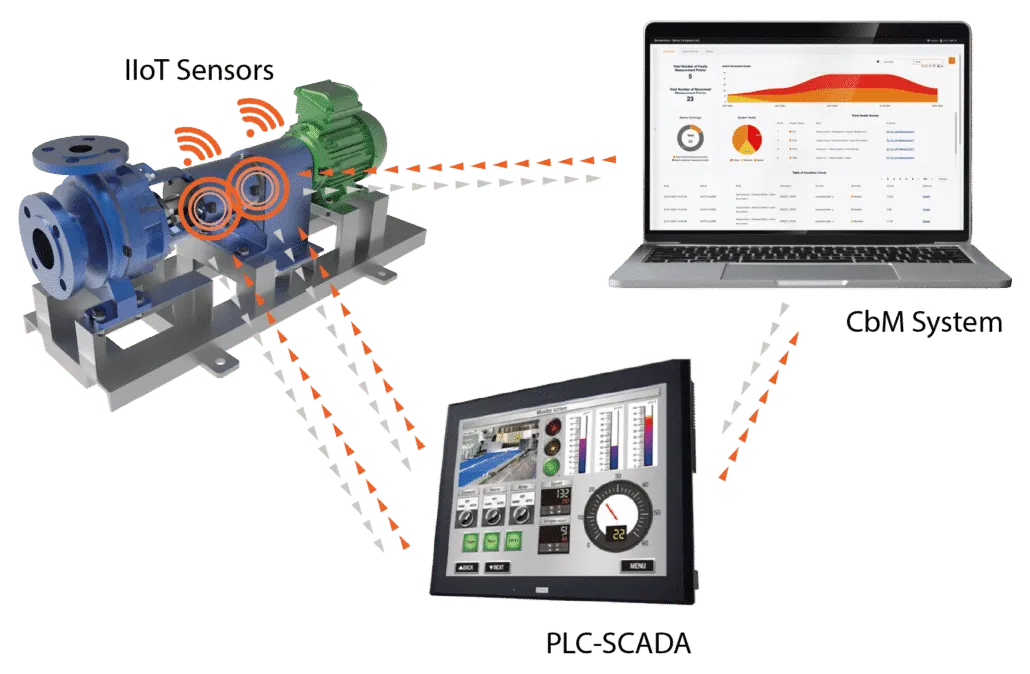
Fig. 1 PLC-SCADA Systems to Condition Monitoring Systems
The first of these integrations’ value propositions in terms of predictive maintenance; is to optimize measurement strategies. In other words, prevention of data pollution. Trying to collect data continuously, especially in equipment that works intermittently, working at variable speeds and loads, creates meaningless data pollution. The data collected in systems that cannot be correlated with each other or that require very different parameters to be correlated becomes meaningless and dirty. There are many different methods to overcome such problems, but first of all, it is necessary to understand the nature of the system correctly and to get the maximum benefit from the integration with the right methods. Let’s explain these cases one by one by going through them;
Variable Speed Machines
In order to create the desired process parameters in many sectors from FMCG to Automotive, from Energy to Iron-Steel and Metal Industry, rotary equipment is constantly working at different cycles according to these process parameters. In this case, the most basic method used in predictive maintenance creates problems in vibration analysis. False-positive alarms may occur as vibration values will change according to the equipment cycle. On the other hand, it may give wrong outputs in the calculations of the root cause of the failure and the remaining useful life. In this context, it is insufficient to set upper/lower limits or observe deviations, which are the most basic methods to be followed.
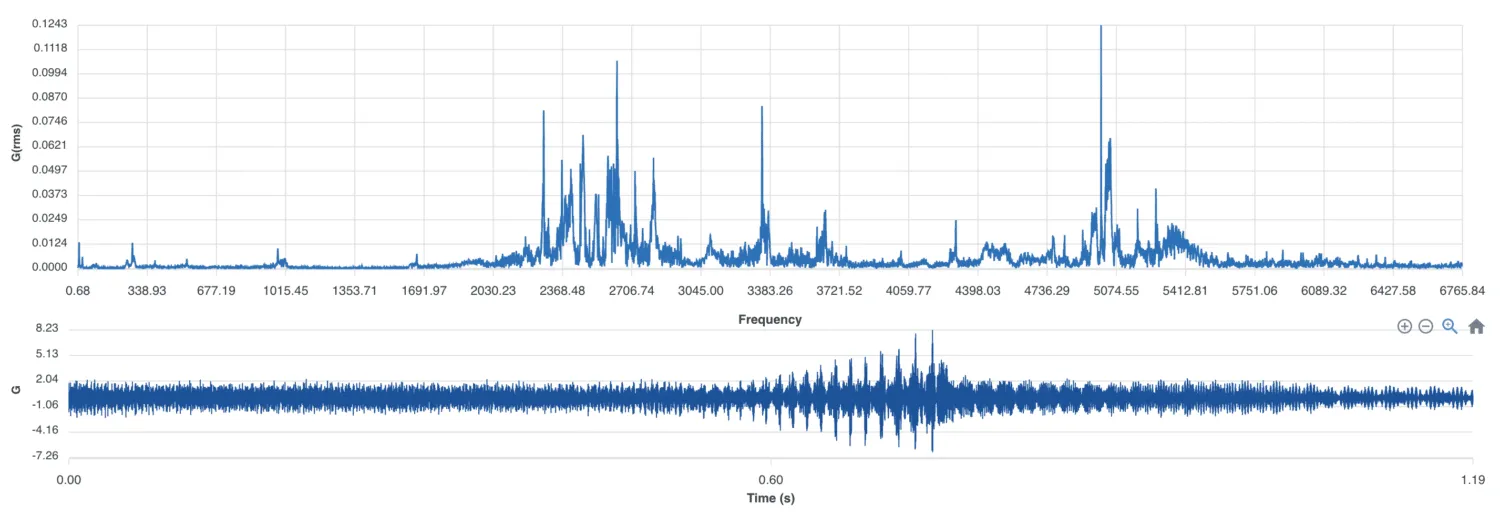
Fig. 2 Variable Speed Machine Vibration Signal and Spectrum
On the other hand, it may give wrong outputs in the calculations of the root cause of the failure and the remaining useful life. These are parameters that can change very easily with dozens of factors, from the fact that the environment in which the equipment is located is different from the environment in which it is tested, to the way the operator uses the machine. At this point, the integration of online condition monitoring systems with traditional data collection and control systems constitutes the key solution. Performing the analysis of the data by taking measurements under constant environmental and process operating conditions will allow you to reach optimum results. For instance; the characteristics of vibration signals received from an electric motor operating at 1500 RPM and the characteristics of vibration signals of the same electric motor operating at 2500 RPM are very different. In determining the root cause of the malfunction, the vibration signal alone will be insufficient. The technique used in vibration analysis is harmonic analysis, that is, the root causes of failure are estimated by examining the equipment excitation frequency and harmonics. At this point, since the harmonics at 1500 RPM and 2500 RPM will be at different frequencies, it will not be possible to predict the root cause of the fault. With the integration of online condition monitoring systems with traditional data collection and control systems, it is possible to take measurements in certain cycles by giving a speed, etc. parameters can also create the trigger mechanism on the condition monitoring system. Similarly, predictive maintenance outputs can print both measurement metrics and machine learning outputs to data acquisition systems such as SCADA.
Non-Continuous Machines
Although condition monitoring systems are generally applied to machines that operate continuously with high downtime costs, when criticality analysis is made, condition monitoring systems can be applied to machines working in shifts or machines that make stop-starts if they are more critical. In this type of machine, the measurements taken at certain periods are insufficient. While it causes the measurement to be missed, on the one hand, it also negatively affects battery power consumption in wireless sensors, as mentioned above. With the integration of PLC-SCADA systems into the condition monitoring systems, optimum results can be obtained with the SCADA system triggering the status monitoring system while the machine is running.
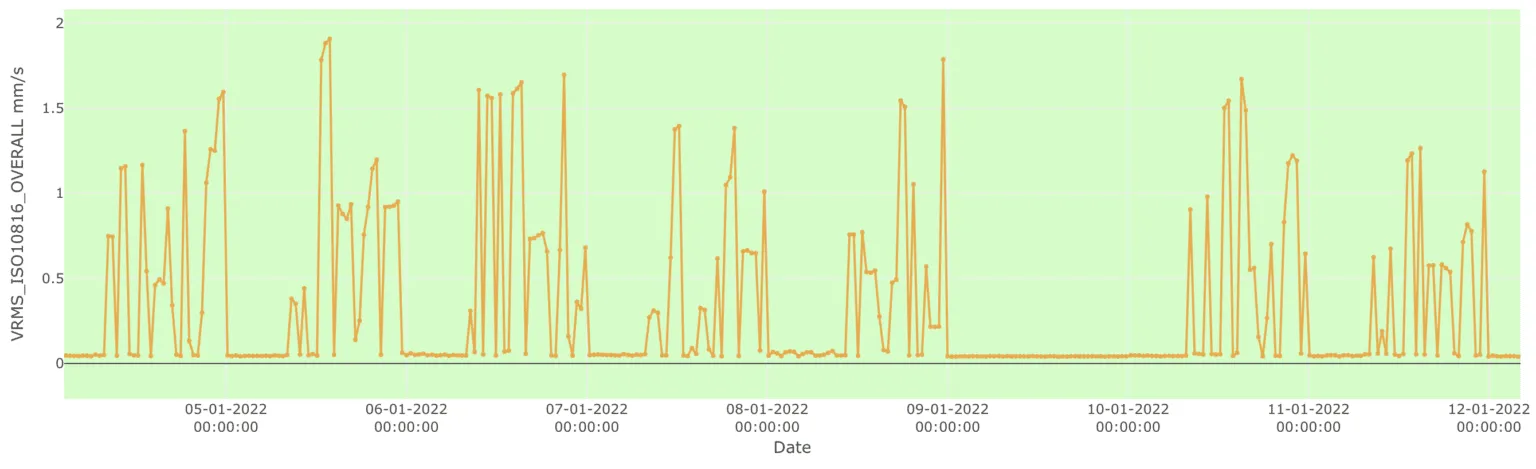
Fig. 3 Non-Continuous Machine Vibration Trend
Integration of condition monitoring systems into PLC-SCADA systems is not only at the point of triggering and optimizing measurement periods, but also at the point of sharing all collected data with condition monitoring systems, along with current process parameters and predictive analytics applications, general equipment efficiency, and production and maintenance outputs such as key performance indicators. It is also possible to monitor and control online.
Machines with Impulse and Transient Responses
Packaging machines, presses, cam mechanism machines are widely used in all kinds of industries from automotive to pharmaceutical industry, from fast moving consumer goods to white goods. Although this type of machines can work continuously and at constant speeds, they are equipment that make predictive maintenance applications difficult due to both the fact that they have a complex mechanism and the mechanical effect they create. For example, the data received from the accelerometer placed in the electric motor of a pressing machine may generate high vibration values due to the mechanical effect of the press impact, even if there is no fault in the electric motor.

On the other hand, special packaging machines, which are used in different ways but for the same purposes in every industry, can create meaningless and distorted signals by creating temporary reactions during packaging. However, the basic parameters that can be used to detect the malfunctions that may occur in the rotating equipment of these types of machines at an early stage are also vibration, temperature, force, etc. mechanical metrics. At this stage, in order to benefit from the predictive analytical power of condition monitoring systems, such parameters that IIoT sensors cannot provide but exist in PLC-SCADA systems should be integrated with condition monitoring systems. In this way, unplanned equipment stops are prevented by increasing the predictive analytical performance, and a more efficient decision-support mechanism is created.
Integration Options
In a business that already has a data collection system, you need to integrate IIoT sensors with new capabilities into your existing system. On the other hand, it is also possible to integrate existing metrics and records into the condition monitoring system. To exemplify, in order to benefit from the high analytical capabilities of online condition monitoring systems, it is necessary to share the existing system parameters with the status monitoring system, while the alarms created as a result of the analysis and estimations should be seen in the PLC-SCADA system and trigger the machine when necessary. There are many methods for integrating online condition monitoring systems into existing systems. These methods are explained in detail in our previous blog post.

Conclusion
With the integration of traditional methods into online condition monitoring systems, both periodic measurement strategies are optimized and fault root cause estimations are made more accurate. At this stage, both a more sustainable machine and higher profitability are obtained by making detailed predictive analytics applications, especially with the integration of process parameters into online condition monitoring systems. It will become inevitable to establish communication between all interconnected processes. Until that day comes, it would be a right step to prefer integrated solutions and ensure that the investment made is long-term. If you do not have a digital transformation team or your technical skill set does not cover these developments, working with a provider who can support you at this stage plays a critical role in bringing the project to life.
In Sensemore LAKE the integration surface is open to assistants as well as to systems, through an MCP endpoint that reads the data and, once approved, raises a work order.
Frequently asked questions
Why should condition monitoring be integrated with existing SCADA, DCS, PLC and RTU systems?
Letting a condition monitoring system exchange data with traditional data collection and control systems significantly increases its success rate. Communication should flow both ways: from the IIoT condition monitoring platform to PLC-SCADA, and from PLC-SCADA back to the condition monitoring system, so measurements can be triggered under the right conditions and analysis results can be seen in the control system.
How does integration with PLC-SCADA help monitor variable speed machines?
Vibration values change with machine speed, so fixed limits and simple deviation checks produce false-positive alarms and unreliable root cause and remaining useful life estimates. Because harmonics at 1500 RPM and 2500 RPM sit at different frequencies, a speed signal from the control system can trigger measurements in specific cycles under constant operating conditions, making harmonic analysis meaningful.
Why is condition monitoring difficult on machines that do not run continuously?
On machines working in shifts or with frequent stop-starts, measurements taken at fixed intervals can miss the running periods entirely and also waste battery power in wireless sensors. Having the SCADA system trigger the condition monitoring system while the machine is actually running gives optimum results.
How can condition monitoring work on presses and packaging machines with impulse responses?
Presses, cam mechanisms and packaging machines produce high vibration values from mechanical impacts and transient reactions even when the motor is healthy, which distorts the signals. Feeding parameters that exist in PLC-SCADA but that IIoT sensors cannot capture into the condition monitoring system improves predictive analytical performance and helps prevent unplanned stops.
What does data pollution mean in condition monitoring?
Data pollution occurs when data is collected continuously from equipment that runs intermittently or at variable speeds and loads, producing data that cannot be correlated with the operating conditions and therefore becomes meaningless. Integrating condition monitoring with existing control systems optimizes measurement strategies and prevents this problem.