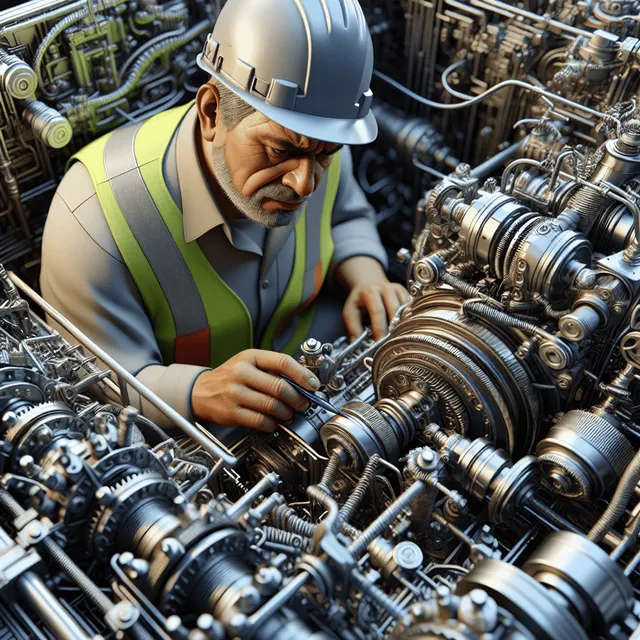


Failure codes are short alphanumeric identifiers that technicians and engineers assign to equipment failures to record, in a standardized form, what went wrong or what was done about it. Meticulously applied within maintenance operations, they serve as the bedrock of communication about equipment problems, and this guide explains what they are, why they pay off, how to implement a failure code system, and how to turn the resulting data into action. They not only pinpoint the origins of equipment malfunctions but also serve as signposts guiding the path toward enhanced reliability and operational efficiency. This guide endeavors to delve deep into the realm of failure codes, unraveling their significance and providing a roadmap for their judicious utilization in the realm of asset management.
Understanding Failure Codes
At their essence, failure codes are succinct manifestations of equipment ailments, encapsulating the intricacies of failure causes or delineating the interventions undertaken during maintenance endeavors. They function as digital fingerprints, encoding vital information within a compact framework that can be easily deciphered and analyzed. Within the confines of a Computerized Maintenance Management System (CMMS), failure codes serve as conduits of information, facilitating streamlined communication and fostering a culture of data-driven decision-making.
Exploring the Benefits
The adoption of failure codes heralds a plethora of benefits that reverberate across the maintenance landscape:
- Standardization: By establishing a common lexicon for failure reporting, failure codes mitigate the vagaries of interpretation, ensuring consistency and clarity in communication. This standardization not only enhances efficiency but also fosters collaboration among maintenance teams.
- Insightful Analysis: Failure codes serve as breadcrumbs in the labyrinth of maintenance data, enabling meticulous analysis of failure trends and the identification of recurring patterns. This granular insight empowers organizations to preemptively address emerging issues, mitigating the risk of costly downtime.
- Efficiency Optimization: Armed with insights gleaned from failure codes, maintenance teams can chart a course of action that optimizes resource allocation, prioritizing tasks based on their impact on operational uptime. This proactive approach not only enhances equipment reliability but also drives down maintenance costs over the long term.
Implementing a Robust System
The foundation of a successful failure code system rests upon meticulous planning and execution. Here’s a blueprint for implementation:
- Define a Standard Structure: Establishing a uniform format for failure codes lays the groundwork for seamless integration and interpretation. This entails determining the length, format, and syntax of failure codes to ensure consistency across the board.
- Comprehensive Code Catalog: Develop an exhaustive repository of failure codes, spanning the gamut of potential failure modes pertinent to your equipment portfolio. This catalog should be regularly reviewed and updated to reflect evolving maintenance needs and emerging failure modes.
- Training and Education: Empower your workforce with the requisite knowledge and skills to adeptly wield failure codes, fostering a culture of accountability and data literacy. Training programs should encompass not only the mechanics of code assignment but also the importance of accurate data entry and interpretation.
- Integration and Streamlining: Integrate failure codes seamlessly into your existing maintenance workflows and CMMS infrastructure, ensuring frictionless data capture and analysis. This may involve customizing CMMS templates, developing automated reporting mechanisms, and establishing protocols for real-time data entry.
Harnessing the Power of Data
The true potential of failure codes unfolds in the crucible of data analysis:
- Data Filtering: Harness the analytical prowess of CMMS platforms to distill vast troves of maintenance data, unearthing nuggets of insight amidst the noise. This may involve applying filters and sorting mechanisms to isolate specific failure modes or trends for in-depth analysis.
- Cross-Equipment Comparison: Compare failure codes across disparate equipment models, illuminating systemic issues that demand concerted remedial action. This comparative analysis can reveal common failure modes, equipment vulnerabilities, and opportunities for standardization or equipment optimization.
- Efficiency Evaluation: Evaluate the efficacy of maintenance efforts across different failure types, identifying areas ripe for refinement and optimization. By quantifying maintenance performance metrics such as mean time to repair (MTTR) and mean time between failures (MTBF), organizations can pinpoint areas of inefficiency and implement targeted improvements.
- Actionable Insights: Armed with actionable insights derived from failure code analysis, institute proactive measures such as preemptive maintenance enhancements to fortify operational resilience. This may involve adjusting preventive maintenance schedules, implementing reliability-centered maintenance (RCM) strategies, or investing in equipment upgrades or retrofits.
Conclusion
In the dynamic arena of asset management, failure codes stand as beacons of clarity, illuminating the path toward operational excellence and reliability. By embracing the power of failure codes and harnessing the rich tapestry of data they unveil, organizations can navigate the complexities of maintenance with confidence and foresight. As the custodians of critical infrastructure, it behooves us to heed the lessons encoded within failure codes, leveraging them as catalysts for continuous improvement and innovation. In the journey toward reliability and resilience, failure codes serve as steadfast companions, guiding our footsteps with unwavering clarity and purpose. Through diligent implementation and insightful analysis, organizations can unlock the full potential of failure codes, ushering in an era of enhanced reliability, efficiency, and operational excellence.
Frequently asked questions
What is a failure code?
A failure code is a concise sequence of alphanumeric characters applied by technicians and engineers to record either the cause of an equipment failure or the intervention carried out during maintenance. It encodes that information in a compact form that can be easily deciphered and analysed within a maintenance system.
What are the benefits of using failure codes?
Failure codes standardize failure reporting so everyone uses a common lexicon, which reduces misinterpretation and improves collaboration. They enable analysis of failure trends and recurring patterns, and they help teams allocate resources and prioritize tasks by their impact on uptime, improving reliability and lowering maintenance costs.
How do you implement a failure code system?
Define a standard structure by fixing the length, format and syntax of the codes; build a comprehensive catalog covering the failure modes relevant to your equipment and review it regularly; train the workforce in both code assignment and accurate data entry; and integrate the codes into existing maintenance workflows and the CMMS.
How are failure codes used in a CMMS?
Within a Computerized Maintenance Management System, failure codes act as conduits of information that streamline communication and support data-driven decisions. Filters and sorting isolate specific failure modes, codes can be compared across different equipment models, and maintenance performance can be measured with metrics such as MTTR and MTBF.
What insights can failure code analysis produce?
Analysis can reveal common failure modes, equipment vulnerabilities and opportunities for standardization, and can highlight where maintenance is inefficient. Those insights support proactive measures such as adjusting preventive maintenance schedules, adopting reliability-centered maintenance strategies, or investing in equipment upgrades and retrofits.