


A Computerized Maintenance Management System (CMMS) is a software solution that centralizes maintenance work (assets, work orders, preventive maintenance schedules, spare-part inventory, and performance analysis) so that maintenance operations are streamlined and asset management is improved. By leveraging advanced technology, CMMS software plays a pivotal role in reducing downtime, cutting costs, and facilitating data-driven decision-making in maintenance management. This article explains what a CMMS does, its main functions, and how integrating it with IoT technology further improves maintenance efficiency.
Overview of CMMS
Definition of CMMS Software
CMMS software serves as a centralized platform for managing a wide array of maintenance-related activities, including asset management, work order scheduling, preventive maintenance planning, inventory control, and performance analysis. By automating traditionally manual processes, CMMS optimizes maintenance workflows, boosts productivity, and ensures optimal utilization of resources.
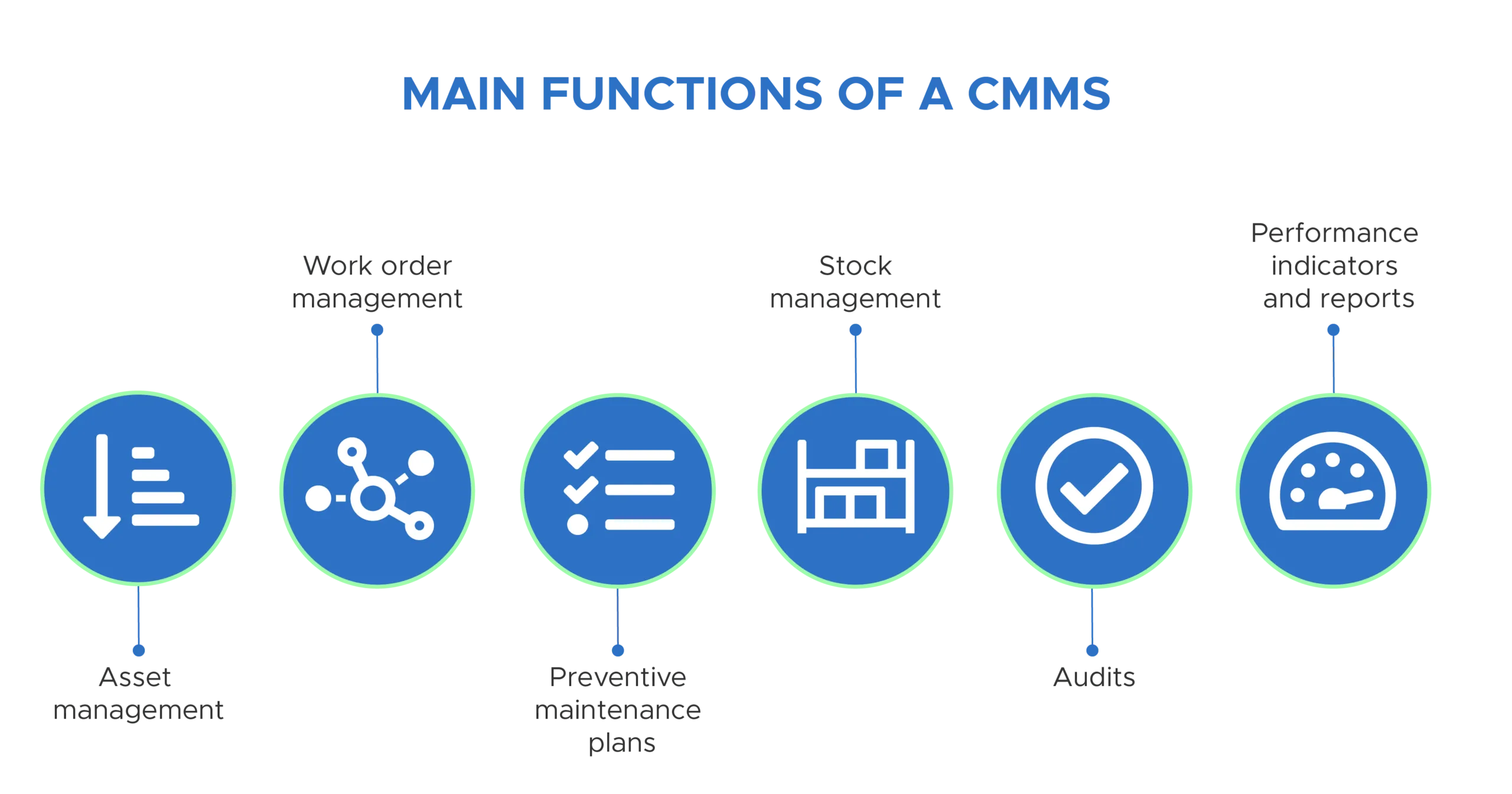
Main Functions of CMMS
- Asset Management: CMMS empowers organizations to effectively track and manage their assets by maintaining detailed records of asset specifications, maintenance history, and lifecycle data. This comprehensive asset management functionality enables better resource allocation, improved asset reliability, and enhanced maintenance planning.
- Work Order Management: With robust work order management features, CMMS facilitates the seamless generation, assignment, and tracking of maintenance tasks. Maintenance teams can efficiently prioritize work orders, monitor task progress in real-time, and ensure timely completion of maintenance activities, thereby minimizing downtime and maximizing operational efficiency.
- Preventive Maintenance: CMMS software enables organizations to proactively schedule and automate preventive maintenance tasks based on predefined criteria such as time, usage, or condition. By conducting regular inspections and maintenance activities, organizations can prevent equipment failures, extend asset lifespan, and optimize maintenance costs.
- Inventory Management: CMMS offers sophisticated inventory management capabilities, allowing organizations to effectively track and control maintenance-related inventory, spare parts, and supplies. By maintaining optimal inventory levels and streamlining procurement processes, CMMS helps reduce inventory carrying costs, minimize stockouts, and ensure timely availability of critical spare parts.
- Reporting & Analytics: CMMS provides robust reporting and analytics tools that enable organizations to extract actionable insights from maintenance data. By analyzing key performance metrics such as equipment uptime, maintenance costs, and labor utilization, organizations can identify trends, uncover inefficiencies, and make informed decisions to continuously improve maintenance operations.
Integration with IoT for Enhanced Maintenance Efficiency
In the era of Industry 4.0, the integration of CMMS with Internet of Things (IoT) technology emerges as a game-changer for maintenance management. By leveraging IoT sensors, devices, and connectivity, organizations can harness real-time data to drive predictive maintenance strategies, optimize asset performance, and minimize unplanned downtime.
Benefits of CMMS Integration with IoT
- Real-Time Monitoring: IoT sensors continuously monitor equipment parameters such as temperature, pressure, and vibration, providing maintenance teams with real-time insights into asset health and performance. By integrating IoT data streams with CMMS, organizations can identify potential issues early, proactively address maintenance needs, and prevent costly downtime.
- Predictive Maintenance: By analyzing historical and real-time IoT data, CMMS can predict equipment failures and performance degradation before they occur. Predictive maintenance strategies enable organizations to schedule maintenance activities based on actual asset condition, optimize resource allocation, and maximize asset uptime.
- Condition-Based Maintenance: IoT-enabled CMMS systems facilitate condition-based maintenance by automatically triggering maintenance tasks based on predefined thresholds or equipment conditions. This proactive approach ensures that maintenance interventions are conducted precisely when needed, minimizing the risk of unexpected failures and optimizing asset reliability.
- Remote Monitoring and Diagnostics: With IoT integration, maintenance teams can remotely monitor equipment performance, diagnose issues, and troubleshoot problems without the need for physical inspection. Remote monitoring capabilities enhance operational efficiency, reduce response times, and enable predictive maintenance interventions from anywhere, at any time.
- Data-Driven Decision-Making: By leveraging IoT-generated data alongside CMMS analytics, organizations gain valuable insights into asset performance, maintenance trends, and operational efficiency. This data-driven approach empowers organizations to make informed decisions, optimize maintenance strategies, and drive continuous improvement across the organization.
Conclusion
In conclusion, a well-implemented CMMS, augmented by IoT integration, is instrumental in revolutionizing maintenance management practices and driving operational excellence. By harnessing the power of CMMS software and IoT technology, organizations can achieve greater efficiency, reliability, and cost-effectiveness in their maintenance operations, ultimately gaining a competitive edge in today’s dynamic business landscape. Sensemore LAKE puts that combination in one place: its maintenance management module holds work orders, preventive maintenance schedules, spare parts and the asset register alongside the vibration data that makes the case for the work.
Frequently asked questions
What is a CMMS?
A Computerized Maintenance Management System (CMMS) is a software solution designed to streamline maintenance operations, enhance asset management, and drive operational efficiency. It acts as a centralized platform for maintenance activities and plays a pivotal role in reducing downtime, cutting costs, and enabling data-driven decision-making.
What are the main functions of CMMS software?
The main functions are asset management, work order management, preventive maintenance scheduling, inventory management, and reporting and analytics. Together they automate traditionally manual processes, optimize maintenance workflows, boost productivity, and ensure optimal utilization of resources.
How does a CMMS support preventive maintenance?
CMMS software lets organizations proactively schedule and automate preventive maintenance tasks based on predefined criteria such as time, usage, or condition. Conducting regular inspections and maintenance this way prevents equipment failures, extends asset lifespan, and optimizes maintenance costs.
What are the benefits of integrating a CMMS with IoT?
IoT integration adds real-time monitoring of parameters such as temperature, pressure, and vibration, predictive maintenance based on historical and live data, condition-based maintenance triggered by predefined thresholds, remote monitoring and diagnostics without physical inspection, and richer data for decision-making.
How does a CMMS help reduce inventory costs?
A CMMS tracks and controls maintenance-related inventory, spare parts, and supplies. By maintaining optimal inventory levels and streamlining procurement, it reduces inventory carrying costs, minimizes stockouts, and ensures critical spare parts are available when they are needed.