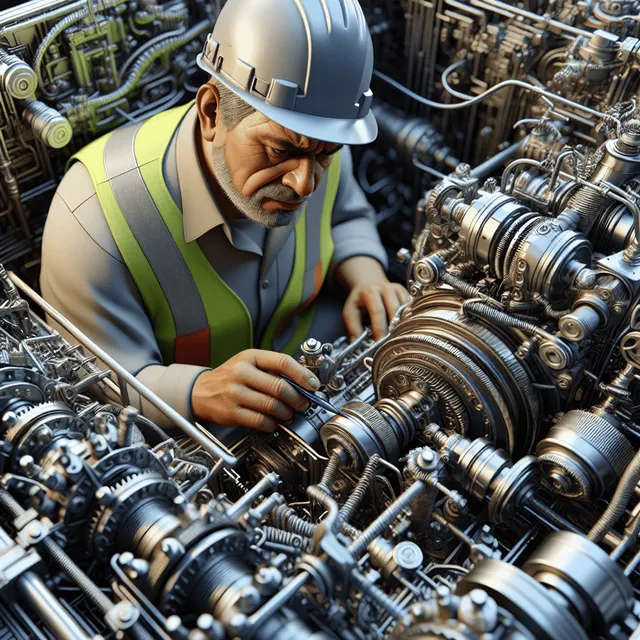


Breakdown maintenance, also known as run-to-failure maintenance, is a reactive strategy in which equipment is repaired or replaced only after it has broken down, rather than serviced at predetermined intervals. Despite its disruptive nature, it can be the most cost-effective option in certain scenarios. This article defines breakdown maintenance, sets out its planned and unplanned types, and shows which assets it suits.
Definition of Breakdown Maintenance
Breakdown maintenance is performed in response to equipment failure. It is triggered when assets cease to function as intended, necessitating immediate attention to restore their functionality. Unlike preventive maintenance, which is carried out at predetermined intervals, breakdown maintenance occurs reactively and is contingent upon the occurrence of failures. The primary objective of breakdown maintenance is to swiftly rectify issues and resume normal operations.
Types of Breakdown Maintenance
Unplanned (Emergency)
Unplanned breakdown maintenance occurs when equipment failure transpires unexpectedly, disrupting normal operations. In such cases, the priority is to expedite repairs to minimize downtime and mitigate any adverse impacts on productivity. Typically, emergency breakdown maintenance involves implementing temporary solutions to address the immediate issue and restore functionality temporarily. While these fixes are effective in the short term, they may not provide a long-term solution.
Planned
Planned breakdown maintenance, on the other hand, involves deliberately allowing equipment to operate until an anticipated failure occurs. Maintenance teams anticipate potential issues based on factors such as equipment age, usage patterns, and historical failure data. By proactively planning for equipment failures, organizations can ensure that maintenance personnel are adequately prepared to address issues promptly when they arise. Planned breakdown maintenance often entails more comprehensive and permanent repairs compared to emergency interventions.
Examples of Assets Suited to Breakdown Maintenance
Low-Cost or Expendable Assets
Assets with low replacement costs or those deemed expendable are well-suited to breakdown maintenance strategies. Examples include light bulbs, fuses, gaskets, and other inexpensive components. Rather than investing in preventive maintenance for these assets, organizations opt to replace them outright when they fail, as the cost of maintenance may outweigh the cost of replacement.
Backup Redundant Systems
Backup redundant systems, such as failover servers and spare pumps, are critical for maintaining continuity in operations. In scenarios where redundancy is built into the infrastructure, breakdown maintenance may be a viable strategy. Should a primary system fail, the redundant backup system seamlessly takes over, ensuring minimal disruption to operations. However, it is essential to regularly monitor and maintain these backup systems to verify their reliability and effectiveness.
Conclusion
Breakdown maintenance serves as a reactive approach to addressing equipment failures, with its effectiveness contingent upon the nature of the assets involved. While it can be a cost-effective strategy for low-cost or redundant assets, it may not be suitable for critical systems where downtime carries significant consequences. In such cases, preventive maintenance strategies are typically preferred to minimize the risk of unexpected failures. By understanding the nuances of breakdown maintenance and its applications, organizations can develop tailored maintenance strategies to optimize asset performance and minimize operational disruptions.
Frequently asked questions
What is breakdown maintenance?
Breakdown maintenance, also known as run-to-failure maintenance, is a reactive strategy that addresses equipment failures as they occur. Assets are repaired or replaced only after they have broken down, with the objective of swiftly rectifying the issue and resuming normal operations.
What is the difference between planned and unplanned breakdown maintenance?
Unplanned or emergency breakdown maintenance happens when equipment fails unexpectedly and repairs are rushed, often with temporary fixes, to limit downtime. Planned breakdown maintenance means deliberately running equipment to an anticipated failure, so teams are prepared in advance and can carry out more comprehensive, permanent repairs.
Which assets are suited to breakdown maintenance?
Low-cost or expendable assets such as light bulbs, fuses and gaskets suit breakdown maintenance, because maintaining them can cost more than replacing them. Backup redundant systems, such as failover servers and spare pumps, also suit it, since a redundant unit takes over when the primary one fails.
When is breakdown maintenance not a good choice?
It is not suitable for critical systems where downtime carries significant consequences. In those cases preventive maintenance is generally preferred, because it minimises the risk of unexpected failures rather than waiting for them to happen.
How does breakdown maintenance differ from preventive maintenance?
Preventive maintenance is carried out at predetermined intervals, whether or not a fault is present. Breakdown maintenance is contingent on the occurrence of a failure and is triggered only when an asset stops functioning as intended.