
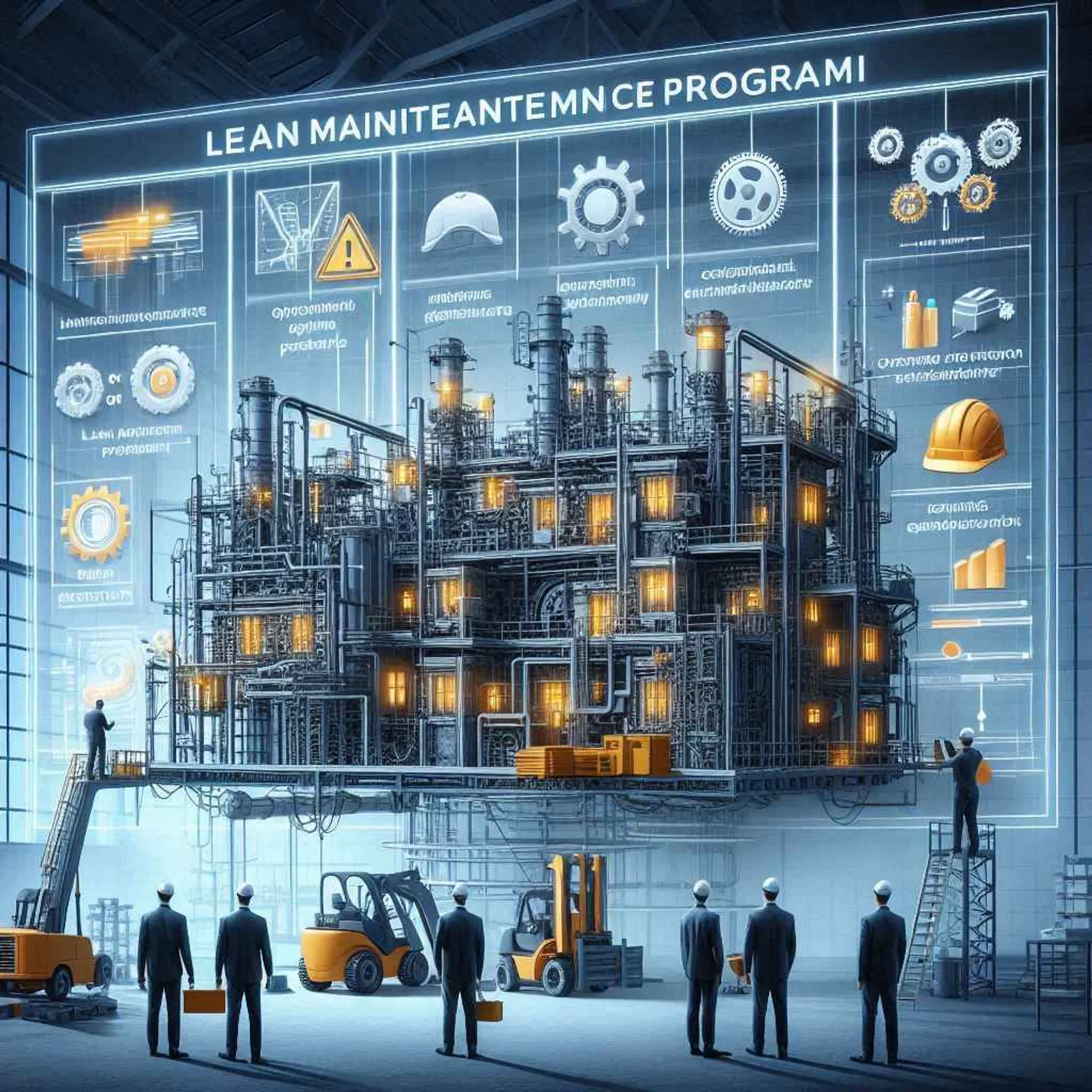
Lean maintenance is a way of running maintenance that focuses on eliminating waste and continually identifying opportunities for improvement, so that operations are streamlined, downtime is minimised and asset performance is maximised. In this article, we will explore the five key benefits of implementing lean maintenance programs (from extending the life of assets and reducing downtime to maximizing profitability, improving resource allocation and enhancing maintenance planning and scheduling) and how they can contribute to the overall success of an organization.
Extending Asset Life
Lean maintenance practices are designed to extend the life of assets by implementing regular maintenance schedules and proactive repair strategies. By conducting routine inspections and addressing potential issues before they escalate into major problems, organizations can significantly increase the longevity of their equipment and facilities. This proactive approach minimizes the risk of unexpected breakdowns and costly repairs, allowing businesses to maximize the return on their investment in assets. Predictive maintenance techniques play a crucial role in asset management by leveraging advanced technology to monitor equipment performance and identify potential failures before they occur. Through the use of sensors, data analysis, and predictive algorithms, maintenance teams can detect early warning signs of equipment deterioration and take preemptive action to prevent breakdowns. By accurately predicting maintenance needs, organizations can minimize downtime, reduce repair costs, and optimize asset performance.
Reducing Downtime and Increasing Uptime
Minimizing downtime and maximizing equipment uptime is the benefit lean maintenance delivers most directly. By addressing potential issues before they escalate and predicting maintenance needs accurately, organizations avoid the unexpected breakdowns that bring production to a halt. With fewer disruptions to operations, employees can focus on their tasks without interruptions, leading to increased efficiency and output, and asset availability stays high across the plant.
Maximizing Profitability
One of the primary benefits of implementing lean maintenance programs is the significant impact on profitability. Higher uptime raises productivity and output levels, and lean maintenance also helps reduce overall maintenance costs by addressing issues before they escalate into costly repairs. By implementing preventive maintenance strategies and proactive repair measures, organizations can minimize the need for emergency repairs and reduce the associated expenses. Additionally, optimizing maintenance processes and streamlining workflows can lead to better resource utilization and cost savings.
Improving Resource Allocation
Lean maintenance practices enable organizations to make informed decisions about resource allocation by leveraging data-driven insights. By collecting and analyzing maintenance data, organizations can identify trends, patterns, and areas for improvement. This allows them to prioritize maintenance tasks based on criticality, allocate resources efficiently, and optimize workforce productivity. Furthermore, lean maintenance programs facilitate targeted allocation of labor, parts, and tools by aligning maintenance activities with business objectives and operational needs. By identifying the most critical assets and prioritizing maintenance activities accordingly, organizations can ensure that resources are allocated where they are needed most. This results in improved asset reliability, reduced downtime, and enhanced operational performance.
Efficient Maintenance Planning & Scheduling
Effective maintenance planning and scheduling are essential components of lean maintenance programs. By understanding asset conditions and risks, organizations can develop optimized maintenance plans that minimize downtime and maximize asset availability. This involves conducting thorough risk assessments, evaluating asset performance data, and prioritizing maintenance activities based on criticality and impact. Additionally, lean maintenance programs enable organizations to group and schedule maintenance activities logically, minimizing disruptions to operations and maximizing efficiency. By coordinating maintenance activities and aligning them with production schedules, organizations can minimize downtime and ensure that maintenance tasks are completed in a timely manner. This results in improved asset reliability, reduced downtime, and enhanced operational efficiency.
Conclusion
In conclusion, implementing lean maintenance programs offers significant benefits for organizations seeking to optimize asset management, improve operational efficiency, and maximize profitability. By extending the life of assets, reducing downtime, maximizing profitability, improving resource allocation, and enabling efficient maintenance planning and scheduling, lean maintenance programs help organizations achieve their maintenance goals and drive business success.
Frequently asked questions
What is lean maintenance?
Lean maintenance is an approach that focuses on eliminating waste and continually identifying opportunities for improvement in maintenance operations. Its aim is to streamline those operations, minimise downtime and maximise asset performance.
What are the benefits of a lean maintenance program?
There are five main benefits: a longer asset life through regular schedules and proactive repairs, reduced downtime and higher equipment uptime, higher profitability from lower repair costs and better resource utilisation, better resource allocation based on maintenance data, and more efficient maintenance planning and scheduling.
How does lean maintenance extend the life of assets?
Regular maintenance schedules, routine inspections and proactive repair strategies address potential issues before they escalate into major problems. This minimises unexpected breakdowns and costly repairs, so equipment and facilities last considerably longer.
How does lean maintenance improve resource allocation?
By collecting and analysing maintenance data, organisations identify trends, patterns and areas for improvement. They can then prioritise tasks by criticality and direct labour, parts and tools towards the most critical assets, which improves reliability and reduces downtime.
How does lean maintenance increase profitability?
Minimising downtime and maximising equipment uptime raises productivity, because operations run with fewer disruptions. At the same time, preventive strategies and proactive repairs reduce the need for expensive emergency work, and streamlined workflows improve resource utilisation.