
Predictive maintenance in the pharmaceutical industry is a proactive strategy that uses real-time condition monitoring through sensors and analytics to predict equipment failures before they happen, preventing unplanned downtime while safeguarding product quality and regulatory compliance. This article looks at the key equipment in pharmaceutical manufacturing, why it is so sensitive to component failure, and which predictive maintenance techniques, especially vibration and electrical analysis, fit the industry best. In the pharmaceutical sector, where intricate and highly calibrated machinery is the norm, predictive maintenance becomes indispensable. It operates on the principle of continuous assessment, enabling the identification of emerging issues at their early stages. This not only minimizes the risk of equipment failures but also safeguards the quality and compliance of pharmaceutical manufacturing processes. Predictive maintenance is strategically vital in pharmaceutical operations due to its ability to schedule maintenance activities during planned downtime, minimizing disruptions in the production chain. As the industry embraces Industry 4.0 and smart manufacturing, the integration of predictive maintenance aligns seamlessly with the broader trend of digital transformation. By incorporating IoT devices, machine learning, and data analytics, predictive maintenance facilitates intelligent and data-driven decision-making within pharmaceutical facilities.
Key Equipment in Pharmaceutical Manufacturing
Pharmaceutical manufacturing is a highly sophisticated process that relies on a spectrum of intricate equipment to ensure precision, quality, and compliance with regulatory standards. The key equipment in this industry spans various categories, each playing a crucial role in different facets of the manufacturing process.
High-precision Machinery
Tablet Presses:
Pharmaceutical tablets, the most common form of drug delivery, are meticulously produced using tablet presses. These presses exert controlled pressure to compress pharmaceutical powders into cohesive tablets with precise dimensions and weight. Predictive maintenance strategies for tablet presses involve continuous monitoring of mechanical components, tooling wear, and performance parameters to anticipate potential issues that could compromise tablet quality or disrupt production.
Packaging Equipment:
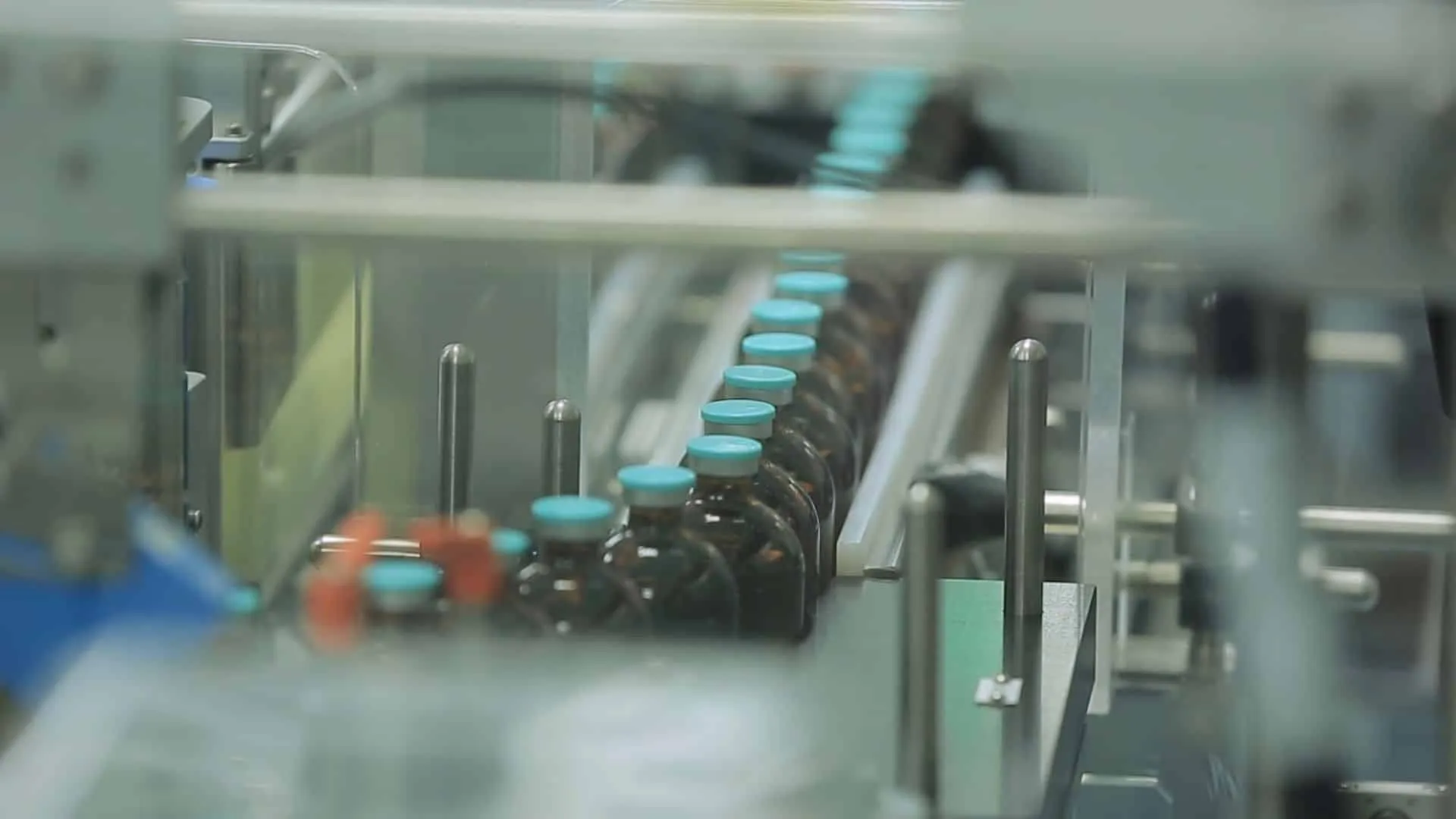
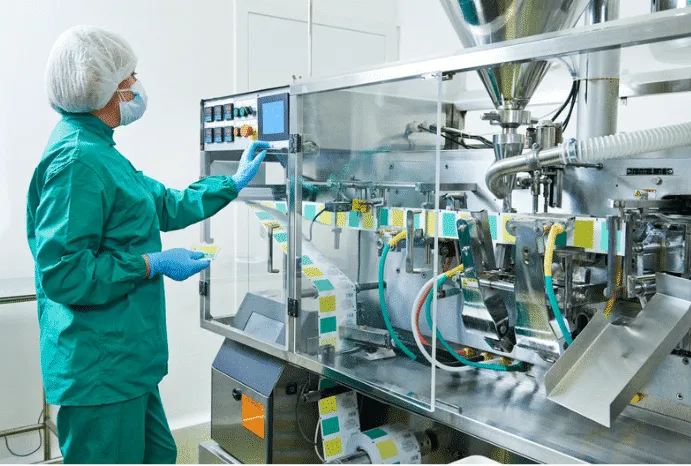
Packaging is the final stage of pharmaceutical manufacturing, where products are prepared for distribution and consumption. Packaging equipment includes blister packaging machines, cartoners, and labeling systems. Predictive maintenance applications in packaging equipment focus on monitoring conveyor systems, detecting faulty sensors, and ensuring proper sealing to prevent packaging defects and minimize downtime during the critical final stages of production.
Laboratory Instruments
Chromatography Systems:
Chromatography is a cornerstone analytical technique in pharmaceutical laboratories, employed for drug purity and potency assessment. High-performance liquid chromatography (HPLC) and gas chromatography (GC) systems require meticulous maintenance to ensure accurate and reproducible results. Predictive maintenance in chromatography systems involves monitoring column performance, pump functionality, and detector sensitivity to preemptively address potential deviations in analytical outcomes.
Mass Spectrometers:
Mass spectrometry is integral for identifying and quantifying chemical compounds in pharmaceutical research and quality control. Mass spectrometers are intricate instruments with numerous components susceptible to wear and degradation. Predictive maintenance strategies encompass monitoring vacuum systems, ionization sources, and mass analyzers to sustain the precision and reliability necessary for accurate molecular analysis.
HVAC Systems
Cleanroom Environments:
Maintaining a controlled and sterile environment is paramount in pharmaceutical manufacturing, particularly in cleanroom facilities. Predictive maintenance for cleanrooms involves monitoring air filtration systems, ensuring proper air circulation, and promptly addressing issues such as filter clogging to uphold stringent cleanliness standards and mitigate the risk of product contamination.
Temperature and Humidity Control:
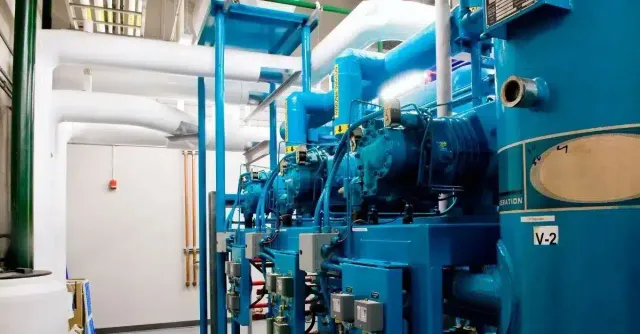
Pharmaceutical processes often demand specific temperature and humidity conditions to ensure the stability and efficacy of products. HVAC (Heating, Ventilation, and Air Conditioning) systems play a pivotal role in regulating these environmental parameters. Predictive maintenance for HVAC systems includes monitoring refrigeration systems, checking thermostat accuracy, and addressing potential issues to prevent deviations from the required environmental conditions, which could jeopardize product quality.A large variety of machines are used in the pharmaceutical industry. Processing equipment include agitators, centrifuges, blowers, capsule equipment, chillers, pulverizers etc. Post production equipment include CAM Blister Packing Machines, Bottling Lines, Counters, Sealers etc. All of these equipment works with small size products in a highly complicated, fast and precise manner. That’s why components used in these machinery are compact, precisely machined and purpose built. If any one of the critical components in these complicated machines were to fail, quality of the product can be heavily affected and all of the production line might face an unforeseen stoppage. In order to prevent such stoppages and malfunctions maintenance teams need to implement predictive maintenance technologies. Main elements providing and conveying the movement to the machinery are rolling elements, gearboxes, servo and induction motors. Predictive maintenance applications can be performed through many different applications such as thermal monitoring, lubrication analysis, ultrasonic inspection, vibration analysis, electrical analysis etc. Among these different analysis approaches vibration and electrical analyses are the most viable ones due to the ease of application and affordability.
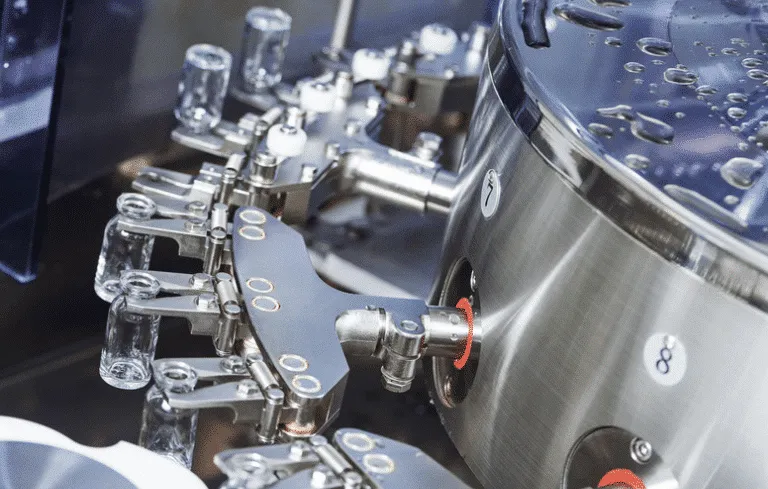
Electrical analysis is one of the predictive maintenance applications fitting to the needs of the pharmaceutical industry. Especially on the components such as servo and induction motors used for the generation of precise and continuous movement to the production line. IoT based data acquisition devices paired with current transformers and voltage dividers can provide precise data about the energy consumption and efficiency of the equipment. These measurements can be analyzed to diagnose many different modes of malfunctions such as stator, rotor and connector problems and misalignment, unbalance and bearing failures before they result in a serious failure. Vibration analysis is widely used in industry for the predictive maintenance of rotating machinery. Vibration data is usually collected through accelerometer instruments. This data can indicate many different modes of malfunction if collected and analyzed correctly. Many generic failure types such as mechanical looseness, unbalance, bearing failure, cavitation, gear failure, lubrication fault, belt and pulley fault etc. can be detected through vibration analysis. Sensemore AI powered predictive maintenance applications can identify anomalies indicating the root causes of malfunctions months prior to the occurrence of the malfunction. Foreseeing failures, estimating remaining useful life and eliminating catastrophic malfunctions through early detection and corrective actions is the key to create an industry with higher efficiency, quality and sustainability.
Frequently asked questions
Why is predictive maintenance important in the pharmaceutical industry?
Pharmaceutical production relies on intricate, highly calibrated machinery, and a failure of a single critical component can affect product quality and stop the whole production line. Predictive maintenance uses real-time condition monitoring to identify emerging issues early, so maintenance can be scheduled during planned downtime and quality and compliance are safeguarded.
Which pharmaceutical equipment benefits from predictive maintenance?
Key candidates are tablet presses and packaging equipment, laboratory instruments such as HPLC, gas chromatography systems and mass spectrometers, and HVAC systems for cleanrooms and temperature and humidity control. Processing equipment such as agitators, centrifuges, blowers and chillers, and post-production lines such as blister packers and bottling lines, are also included.
Which predictive maintenance techniques are most practical for pharmaceutical plants?
Thermal monitoring, lubrication analysis, ultrasonic inspection, vibration analysis and electrical analysis can all be used, but vibration and electrical analyses are the most viable because they are easy to apply and affordable. They target the rolling elements, gearboxes, servo and induction motors that drive the machinery.
What can electrical signature analysis detect on pharmaceutical machinery?
IoT data acquisition devices paired with current transformers and voltage dividers provide precise data on energy consumption and efficiency of servo and induction motors. Analysing these measurements can diagnose stator, rotor and connector problems as well as misalignment, unbalance and bearing failures before they become serious.
What faults can vibration analysis detect in pharmaceutical equipment?
Vibration data collected with accelerometers can reveal mechanical looseness, unbalance, bearing failure, cavitation, gear failure, lubrication faults and belt and pulley faults. AI-powered analysis can identify anomalies pointing to the root cause of a malfunction months before it occurs and estimate remaining useful life.